European Aluminium Systems in Australia: The Standard Behind Modern Luxury Facades
- thermalfacadesolut
- 2 days ago
- 5 min read

In Australia, modern buildings are changing quickly. Architects and builders are now focusing more on clean design, energy efficiency, and long-term performance. One of the biggest reasons for this shift is the use of European aluminium systems. These systems have become a key part of modern luxury facades because they offer a strong mix of style, strength, and energy control.
Australia has a wide range of weather conditions. Some areas are very hot, some are cold, and many coastal regions deal with strong sun, wind, and humidity. Because of this, buildings need to perform well in different environments. European aluminium systems help solve this problem by offering better insulation, stronger framing, and more flexible design options.
Modern Architecture in Australia and Why Aluminium Matters
Over the last few decades, Australian architecture has moved towards open spaces, large glass windows, and simple modern designs. People want more natural light and better connection between indoor and outdoor living areas. Aluminium has become one of the most popular materials for this style of building.
It is lightweight but strong, which allows architects to design large window sections and wide glass facades. It also does not rust easily, which makes it suitable for coastal and inland environments.
However, normal aluminium can transfer heat and cold easily. This means buildings can become too hot in summer and too cold in winter. To fix this issue, new systems were developed, including thermally broken aluminium, which improves comfort and energy performance.
Why European Aluminium Systems Are Trusted
European aluminium systems are known for their quality and careful engineering. They are designed with high attention to detail, which makes them reliable for both residential and commercial projects.
One of the main reasons they are popular in Australia is because they balance design and performance very well. They allow large glass areas without losing energy efficiency. This is very important in modern luxury homes and tall buildings where appearance matters just as much as comfort.
These systems are also tested to perform under different weather conditions. This makes them suitable for Australian climates, where buildings must handle heat, storms, and temperature changes throughout the year.
Understanding Thermally Broken Aluminium
A key feature in modern facade systems is thermally broken aluminium. This technology improves how aluminium frames handle heat and cold.
In simple terms, a thermal break is a barrier placed inside the aluminium frame. This barrier slows down the movement of heat between the inside and outside of a building. Without this barrier, heat can easily pass through the frame, making rooms uncomfortable and increasing energy use.
With thermally broken aluminium, buildings stay cooler in summer and warmer in winter. This reduces the need for constant heating and cooling, which helps lower energy bills.
It also reduces condensation, which can form when warm indoor air meets cold metal surfaces. Less condensation means better comfort and less risk of damage over time.
The Role of Aluminium Thermal Windows in Modern Homes
Windows are one of the most important parts of any building. They affect light, comfort, and energy use. Aluminium thermal windows are designed to improve all of these areas.
These windows use thermally broken aluminium frames combined with high-performance glass. This combination helps reduce heat loss and heat gain, making the building more energy efficient.
In Australian homes, this is especially useful because of strong sunlight and temperature changes throughout the year. These windows help keep indoor spaces more stable and comfortable.
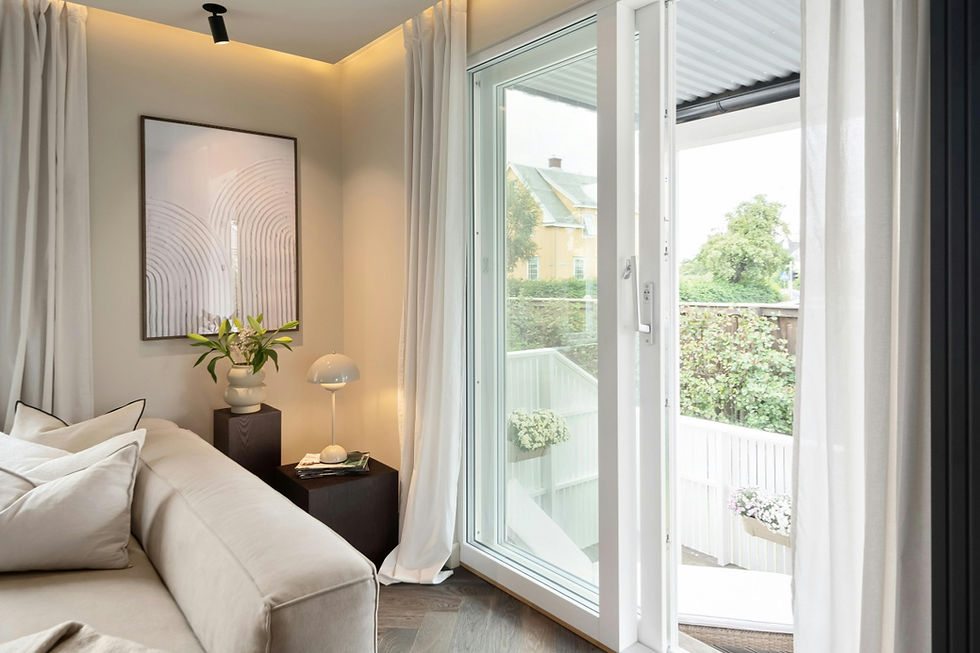
Another benefit is the slim design. Aluminium thermal windows allow for larger glass panels and thinner frames. This gives homes and buildings a more open and modern look while still keeping strong performance.
Thermally Broken Aluminium in Large Buildings
In bigger projects like office buildings, apartment towers, and hotels, thermally broken aluminium plays a very important role.
These buildings often use large glass facades, which need strong framing systems to hold everything in place. Thermally broken aluminium provides this strength while also improving energy performance.
It allows designers to create smooth, modern building exteriors without bulky frames. This helps achieve a clean and high-end look, which is often required in luxury developments.
At the same time, these systems help control internal temperatures across large spaces, which is important for comfort and energy savings.
Thermal Facade Solutions for Better Building Performance
Modern construction in Australia is becoming more focused on sustainability. Builders are expected to create buildings that use less energy and provide better comfort for people inside.
Thermal facade solutions are designed to meet these needs. They combine advanced framing systems, insulated glass, and smart design techniques to improve the overall performance of a building envelope.
These solutions reduce heat transfer, improve insulation, and help maintain stable indoor temperatures. This means buildings rely less on heating and cooling systems.
They also help reduce noise from outside, which is useful in busy city areas. This makes them suitable for homes, offices, and public buildings.
Energy Efficiency and Comfort Benefits
One of the biggest reasons people choose advanced aluminium systems is energy efficiency. In Australia, energy costs can be high, especially when air conditioning is used often.
By using thermally broken aluminium and aluminium thermal windows, buildings can reduce energy use. This happens because the systems prevent heat from moving easily in or out of the building.
As a result, indoor spaces stay more comfortable naturally. This reduces pressure on heating and cooling systems and helps lower electricity bills.
Comfort is another major benefit. People feel more comfortable when indoor temperatures stay stable, and there are fewer cold or hot spots near windows and doors.
Design Freedom and Modern Looks
Another advantage of European aluminium systems is the design freedom they offer. Architects can create buildings with large glass areas, slim frames, and clean lines.
This style is very popular in modern Australian homes and commercial buildings. It allows more natural light inside, which makes spaces feel larger and more open.
Aluminium systems can also be finished in different colours and textures. This gives architects and homeowners more control over the final appearance of the building.
Whether it is a modern house or a large office tower, these systems can be adapted to match different design goals.
Performance in Australian Weather Conditions
Australia has one of the most varied climates in the world. Some regions are very hot and dry, while others are humid or coastal. Buildings must be designed to handle all of these conditions.
Thermally broken aluminium systems help manage these challenges by improving insulation and reducing heat transfer. This keeps indoor spaces more stable, even when outdoor temperatures change quickly.
In coastal areas, aluminium also performs well because it does not rust easily. This makes it a strong long-term choice for buildings near the ocean.
These systems are also built to handle strong winds and heavy rain, which are common in some parts of Australia.
The Future of Aluminium Facade Systems
The future of building design in Australia is moving towards smarter and more efficient solutions. Energy savings, comfort, and sustainability are becoming more important than ever.
European aluminium systems continue to lead in this area because they are always improving. New developments focus on better insulation, stronger materials, and more flexible design options.
As technology improves, buildings will become even more energy efficient and easier to design. This will help create cities that are more sustainable and comfortable to live in.
Conclusion
European aluminium systems have become an important part of modern architecture in Australia. They offer a strong balance between design, strength, and energy efficiency. With the help of thermally broken aluminium, aluminium thermal windows, and advanced thermal facade solutions, buildings can achieve better comfort, lower energy use, and modern design appeal.
These systems are now widely used in homes, offices, and large developments because they meet both performance and style needs.
For more information on advanced facade solutions and modern aluminium systems in Australia, you can visit Thermal Facade Solutions.


Comments